Japanese mythology has given video game developers an almost endless source of inspiration.
Shinto gods, mischievous yokai, terrifying oni, legendary warriors and supernatural creatures have appeared in games for decades, sometimes as direct adaptations of traditional stories and sometimes reimagined inside completely new worlds.
And this is where Japanese games can become particularly interesting. Playing them is not only about exploring a fictional version of Japan. Some of the creatures, symbols and characters you meet have roots stretching back hundreds of years.
If you enjoyed our guide to the best video games set in Japan, these games go a step further: Japanese mythology and folklore are not simply part of the scenery. In many cases, they shape the characters, enemies and entire world of the game.
Here are some of the best games to play if you want to explore Japanese mythology, yokai and folklore through video games.
Quick List: Best Japanese Mythology Games
| Game | Best for | Mythology / folklore focus |
|---|---|---|
| Ōkami HD | Japanese mythology overall | Shinto gods, Orochi, legends |
| Nioh 2 | Action RPG fans | Yokai, Onmyo, Sengoku legends |
| Ghostwire: Tokyo | Modern Japanese folklore | Yokai, ghosts, urban legends |
| Kunitsu-Gami: Path of the Goddess | Traditional Japanese aesthetics | Kami, Kagura, purification |
| Sakuna: Of Rice and Ruin | Mythology + Japanese culture | Harvest goddess, gods, demons |
| YO-KAI WATCH | Yokai | Folklore creatures |
| GetsuFumaDen: Undying Moon | Dark folklore | Hell, demons, supernatural Japan |
| Shin Megami Tensei V | Mythological RPGs | Gods and demons from many traditions |
| Nioh 3 | Samurai + supernatural | Yokai, guardian spirits |
| Ōkamiden | Lighter folklore adventure | Gods, spirits and folk tales |
1. Ōkami HD
If you only play one game from this list, Ōkami is probably the best introduction to Japanese mythology in video game form.
You play as Amaterasu, the Shinto sun goddess, appearing as a white wolf. The adventure draws heavily on Japanese myths and traditional stories, including the legendary eight-headed serpent Orochi.
Capcom itself explains the connection directly: Amaterasu is based on the central Shinto sun deity, while several other characters and elements reinterpret figures from Japanese mythology.
The game’s famous ink-brush visual style also makes the whole experience feel like a traditional Japanese painting brought to life.
What makes Ōkami particularly effective is that the mythology is not simply background lore. Restoring nature, interacting with gods and defeating creatures from legends are fundamental parts of the journey.
Why play it: The best all-round choice if you want Japanese mythology rather than simply a game with a Japanese setting.
Mythology highlights: Amaterasu, Orochi, Shinto imagery, gods and traditional legends.
Available on: modern PlayStation, Xbox, Nintendo Switch and PC versions have been released.
2. Nioh 2
Nioh 2 combines the warfare of Japan’s Sengoku period with a world overflowing with yokai.
The protagonist is part human and part yokai, and the supernatural side of the game affects everything from combat abilities to enemies and bosses. PlayStation describes the game’s world as being inspired by both Japanese history and traditional mythology, with historical figures appearing alongside supernatural beings from Japanese folklore.
You’ll encounter creatures such as Enenra, Yamanba, tengu and many other yokai, while Onmyo magic also plays an important role.
Team Ninja has specifically discussed using the game to introduce traditional Japanese yokai stories to players around the world.
That makes Nioh 2 particularly interesting if you want folklore combined with a demanding action RPG rather than a purely narrative experience.
Why play it: One of the deepest combinations of samurai history and Japanese supernatural folklore.
Mythology highlights: Yokai, Onmyo magic, tengu, guardian spirits and legendary figures.
3. Ghostwire: Tokyo
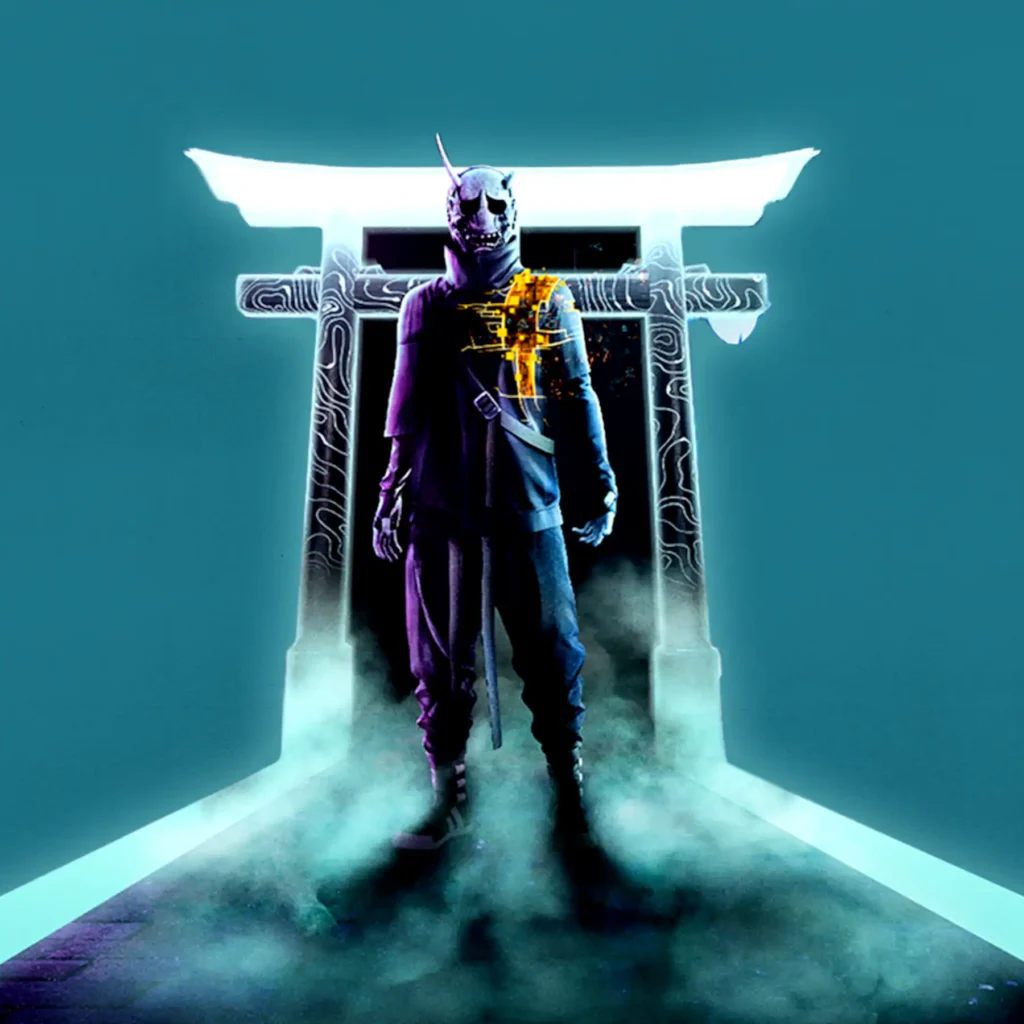
Few games combine modern Tokyo and traditional Japanese folklore as effectively as Ghostwire: Tokyo.
After almost the entire population mysteriously disappears, the city becomes filled with supernatural entities inspired by yokai, ghost stories and urban legends.
The game includes recognizable creatures such as tengu, kappa, tanuki and nekomata, alongside darker legends such as the Kuchisake-onna, or slit-mouthed woman. Bethesda explicitly describes these characters as being inspired by real folklore and Japanese urban legends.
That contrast is what makes Ghostwire particularly distinctive.
One moment you’re walking through neon-lit streets and convenience stores; the next you’re following a tengu across rooftops or trying to lure a kappa.
Why play it: The best choice for seeing Japanese folklore transplanted into contemporary Tokyo.
Mythology highlights: Tengu, kappa, tanuki, nekomata, ghosts and Japanese urban legends.
Read also: Best Video Games Set in Japan
4. Kunitsu-Gami: Path of the Goddess
Kunitsu-Gami: Path of the Goddess is one of the newer games on this list and one of the strongest examples of traditional Japanese ideas shaping the entire presentation of a game.
Capcom describes it as a Japanese-inspired Kagura Action Strategy game. Kagura refers to ceremonial dance associated with Japanese religious tradition, and the game incorporates dance, masks, purification and torii imagery throughout its world.
The story takes place on a mountain consumed by defilement. During the day you purify villages and prepare defenses; at night, supernatural enemies emerge through torii gates and attempt to reach the Maiden.
Rather than simply inserting famous yokai into an action game, Kunitsu-Gami builds its atmosphere around concepts of ritual, purification and traditional Japanese performing arts.
Why play it: A particularly good choice if you’re interested in the religious and ritual side of Japanese-inspired fantasy.
Mythology highlights: Kami imagery, purification, Kagura, torii gates and traditional masks.
5. Sakuna: Of Rice and Ruin

Japanese mythology isn’t always about frightening monsters.
Sakuna: Of Rice and Ruin casts you as Sakuna, a harvest goddess who is banished to an island inhabited by demons.
The game mixes side-scrolling combat with an unexpectedly detailed rice-growing simulation. Farming isn’t simply an optional minigame: successful rice cultivation directly makes Sakuna stronger.
Marvelous describes the world as a fresh interpretation of Japanese mythology, with its own pantheon of gods and demons inspired by traditional sources.
That gives Sakuna a very different tone from Nioh or Ghostwire. It connects mythology with agriculture, food and the relationship between gods and humans.
Why play it: A fascinating combination of mythology, Japanese agriculture and action RPG mechanics.
Mythology highlights: Harvest deities, gods, demons and agricultural traditions.
6. YO-KAI WATCH
The clue is right there in the name.
YO-KAI WATCH builds an entire RPG around creatures inspired by the supernatural beings collectively known as yokai.
The protagonist receives a special watch that allows otherwise invisible Yo-kai to be seen. You can find them around town, befriend them and use them in battles.
Nintendo describes the game’s creatures as ranging from strange everyday spirits to beings resembling mythical creatures, and the original game contains more than 200 Yo-kai to discover.
The tone is much lighter than Nioh or Ghostwire, but that’s part of the appeal. Traditional concepts are transformed into funny, strange and collectible characters.
Why play it: Probably the easiest introduction to the basic idea of yokai for younger players or Pokémon fans.
Mythology highlights: Yokai, Oni and supernatural creatures hiding within everyday life.
Read Also: Pokémon Based on Japanese Folklore and Mythology
7. GetsuFumaDen: Undying Moon
If you prefer your Japanese folklore considerably darker, GetsuFumaDen: Undying Moon is worth a look.
This roguelike sends the protagonist into the depths of Hell after supernatural creatures begin spilling back into the mortal world.
Its visual identity is one of its strongest features: the game uses an exaggerated ukiyo-e-inspired style filled with demons, skeletons and grotesque supernatural creatures.
Konami describes it as a sword-based roguelike action game built around a journey into Hell, giving it a very different interpretation of traditional Japanese supernatural imagery.
Why play it: Excellent if you want Japanese folklore filtered through a dark roguelike.
Mythology highlights: Hell, demons, supernatural monsters and traditional visual influences.
8. Shin Megami Tensei V
Shin Megami Tensei V is broader than Japanese mythology alone.
Its enormous roster pulls gods, demons and supernatural beings from religions and mythologies around the world. But Japanese mythology still plays an important role, particularly through characters and beings tied to the game’s Tokyo setting.
You explore a ruined version of Tokyo called Da’at, populated by mythological gods and demons fighting for control of the world. Atlus describes the setting as a conflict between divine and demonic figures drawn from mythology.
This is therefore a good choice if you’re interested not only in Japanese folklore but in seeing Japanese mythological figures placed alongside creatures from many other traditions.
Why play it: One of the best RPGs for players fascinated by comparative mythology.
Mythology highlights: Japanese gods and demons alongside mythological figures from around the world.
9. Nioh 3

Nioh 3 takes Team Ninja’s supernatural vision of Japanese history even further, sending players across multiple periods of Japan while battling hordes of yokai.
Released in February 2026, the game follows Tokugawa Takechiyo as he travels through eras including the Sengoku period, Edo, Heian Kyoto and Bakumatsu Japan. Yokai remain central to the experience, alongside Guardian Spirits and supernatural forces drawn from Japanese folklore.
That makes Nioh 3 particularly interesting for this list: rather than tying its supernatural elements to a single historical setting, it lets players see how Team Ninja reimagines Japanese legends across different periods.
Why play it: The most current entry in the Nioh series and a strong mix of Japanese history, yokai and modern action RPG design.
Mythology highlights: Yokai, Guardian Spirits, supernatural Japan and multiple historical eras.
10. Ōkamiden
Ōkamiden is the Nintendo DS follow-up to Ōkami and continues its mythology-heavy world.
This time the protagonist is Chibiterasu, a young sun deity appearing as a white wolf pup.
Nintendo described the game as an adventure filled with Japanese folklore, spirits, heroes and gods.
Its biggest drawback today is accessibility: because it was released for Nintendo DS, it isn’t as easy to play on current hardware as Ōkami HD.
Still, for anyone particularly interested in the mythology of the Ōkami universe, it remains worth knowing about.
Why play it: More light-hearted Japanese folklore in the world of Ōkami.
Mythology highlights: Sun deities, spirits, demons and Japanese folk stories.
What Are Yokai in Japanese Folklore?
You’ll notice that yokai appear repeatedly throughout this list.
The term covers a huge variety of supernatural beings in Japanese folklore. Some are dangerous monsters, while others are mischievous spirits, strange animals or supernatural manifestations connected to places and objects.
That’s why yokai can look completely different from one game to another.
In Nioh 2 they often become dangerous combat encounters.
In Ghostwire: Tokyo, some yokai such as tengu and nekomata can actually help the player. Bethesda even uses folklore-specific details such as kappa being attracted to cucumbers and tanuki disguising themselves as ordinary objects.
And in YO-KAI WATCH, the same basic idea is transformed into a colorful collectible RPG.
Which Japanese Mythology Game Should You Play First?
For the strongest overall connection to Japanese mythology, start with Ōkami HD.
Choose Nioh 2 if you want difficult combat and samurai history.
Choose Ghostwire: Tokyo if you’re most interested in yokai and urban legends inside modern Japan.
Choose Sakuna: Of Rice and Ruin if you want something more unusual and connected to traditional Japanese agriculture.
And choose Kunitsu-Gami: Path of the Goddess if ritual, purification and traditional Japanese aesthetics interest you most.
There isn’t one definitive version of Japanese mythology in games. That’s exactly what makes the subject so interesting: the same gods, spirits and legends can become a colorful adventure, a brutal action RPG or a supernatural journey through modern Tokyo.
More Japanese Games to Explore
If you’re interested in games inspired by Japan beyond mythology and folklore, continue with our guide to the Best Video Games Set in Japan.
We’re also exploring more specific sides of Japanese gaming, including games set in feudal Japan, samurai games and video games that recreate Tokyo.